Tastely
Project Story
Tastely Kitchen is a family-run group of neighbourhood restaurants whose takeaway orders had moved, almost overnight, to third-party apps charging heavy commissions. The owners wanted their own ordering channel that regulars would genuinely prefer. OpenNeux designed and built the ordering experience, menu system, and loyalty programme presence in a fast three-month project, timed to launch before the group's busiest season of the year.
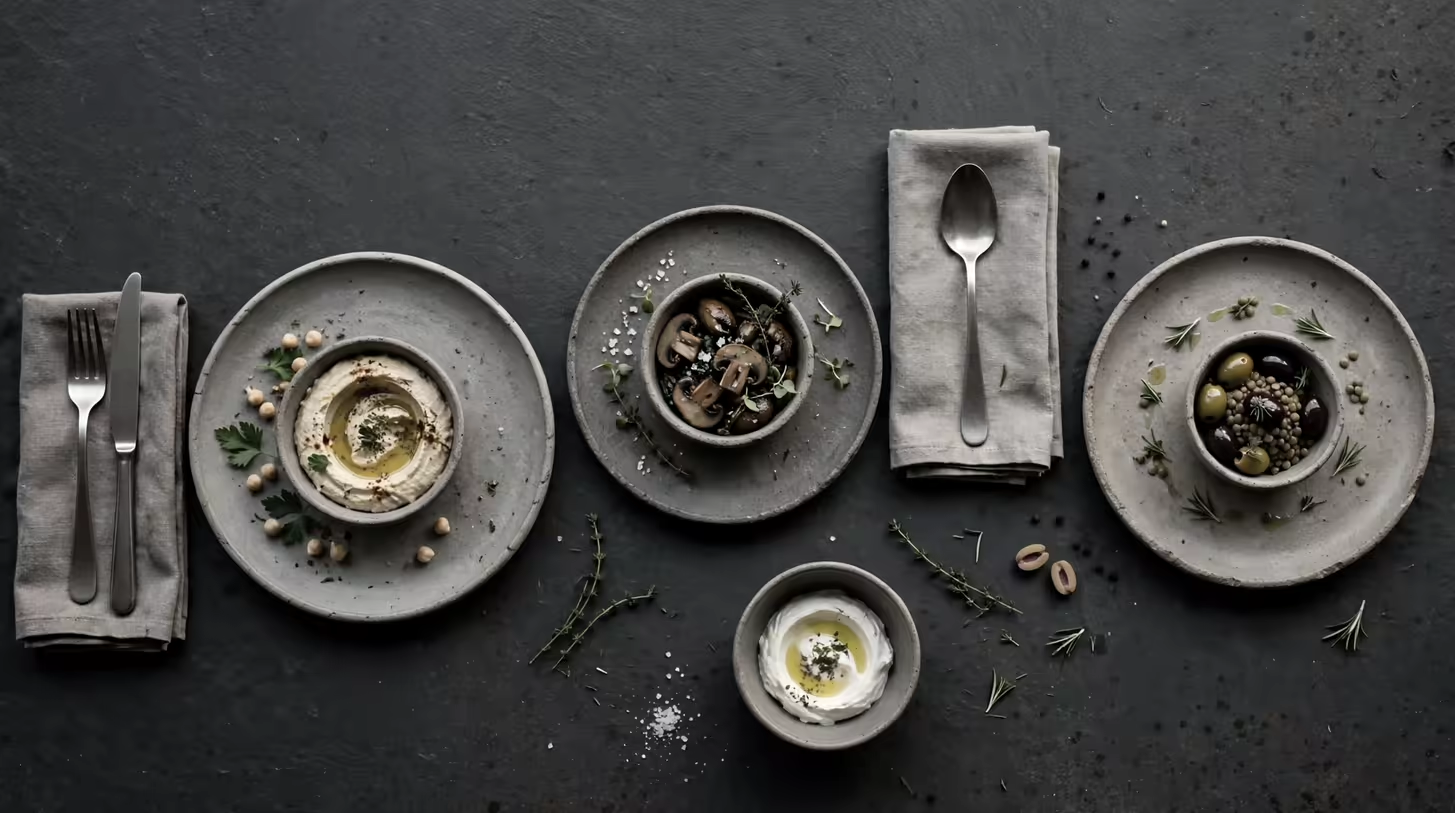
Ordering food is an emotional, hungry decision made in about ninety seconds, usually on a phone, often with other people shouting requests across a room. We designed for that reality: big photography, the regulars' favourites one tap away, and a checkout with fewer decisions than the fridge door. The group's warmth also had to survive digitisation. The design carried the restaurants' voice, hand-written touches, and honest photos of the actual dishes, not stock food photography.
Problem
Tastely's existing website listed menus as PDF downloads, years out of date, with prices that disagreed with the restaurants. Ordering meant phoning, which younger customers simply did not do. The third-party apps filled the gap but took a large cut of every order, owned the customer relationship, and ranked Tastely beside every competitor in town. The group had loyal regulars and no way to reach them directly, and no data about what they ordered.
Operations had to be designed alongside the interface, because a digital order lands in a physical kitchen. The owners feared, reasonably, a screen full of orders arriving faster than cooks could cook, with no way to slow the flow at peak times. Menus also varied by location and by day, and the old processes had no single source of truth, so any digital system risked publishing wrong menus confidently. Staff turnover meant the tools had to be operable by a new hire in one shift. Underneath these practicalities sat the real strategic problem: every month on third-party platforms trained Tastely's customers to order through an intermediary who would happily sell them a competitor's food next week. The group needed its own front door online, as warm and competent as the ones on its restaurants, and it needed it before another season of commissions.

Solution
We built the ordering experience around the regulars. Menus are maintained once and published everywhere, web, in-store QR codes, and the counter display, so a price can never disagree with itself again. Reordering a usual takes two taps, group orders collect everyone's choices into one checkout, and pickup times are promised from live kitchen load rather than optimism: if the kitchen is slammed, the site says so and quotes honestly.
The loyalty programme was folded into ordering rather than bolted on: points appear in the cart, rewards apply themselves, and the birthday dessert arrives without anyone remembering. A simple kitchen dashboard lets staff pace incoming orders, pause a dish that has run out, and print tickets in the format the line already used. Direct orders overtook the third-party apps within two seasons, and Tastely finally owns the relationship with the people it feeds.